Soccer
Wing-Back (Defender)
The wing-back (or attacking full-back) are defenders with heavier emphasis on attack. The name is a portmanteau of "winger" and "full-back", indicating the greater emphasis on their responsibilities in attack.
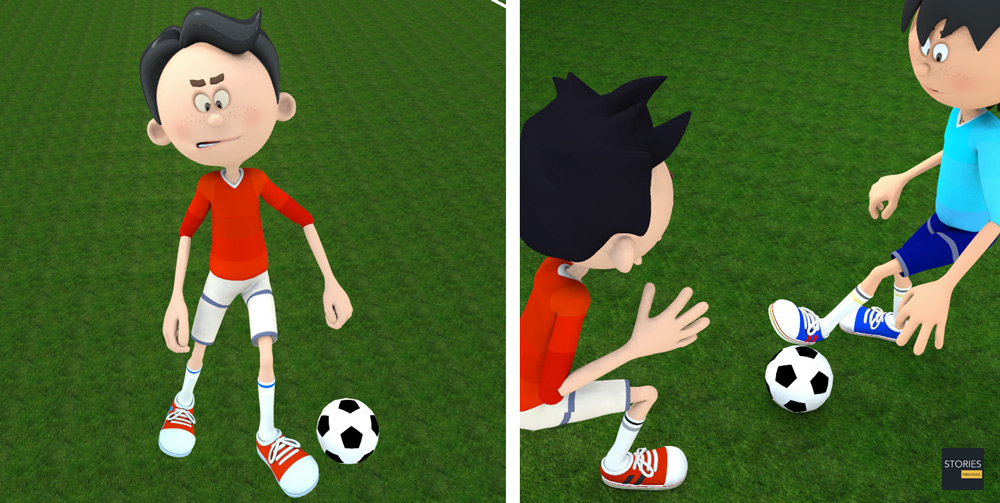
They are usually employed as part of a 3–5–2 formation, and can therefore be considered part of the midfield when a team is attacking. They may also be used in a 5–3–2 formation and therefore have a more defensive role.

The term "wing-back" itself is gradually falling out of use as there is less of a distinction with the full-back roles in the modern game, especially when used in a 4–3–3 or 4–2–3–1 formation.
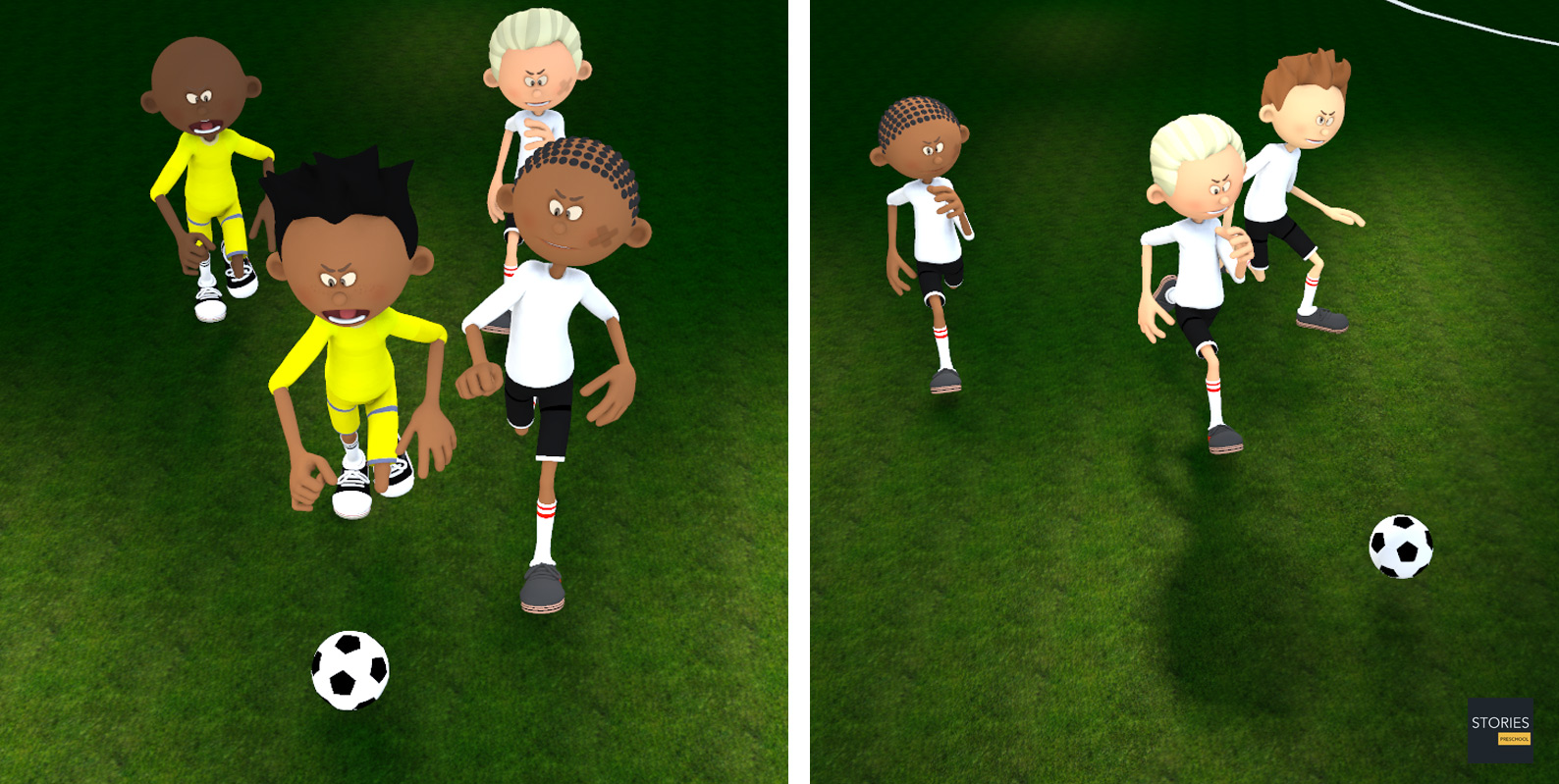
The wing-back role is one of the most physically demanding positions in modern football. Wing-backs are often more adventurous than traditional full-backs and are expected to provide width, especially in teams without wingers.
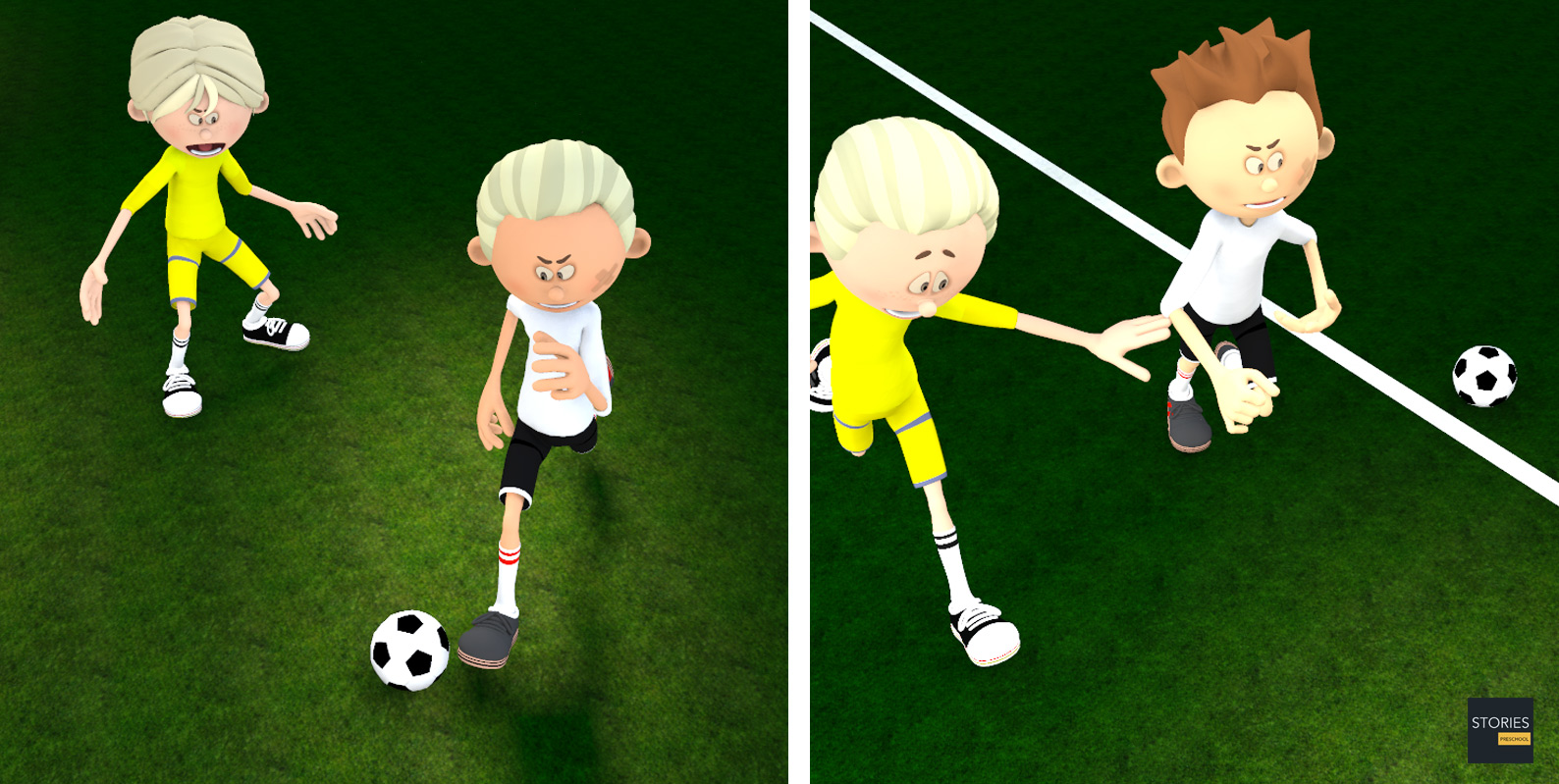
A wing-back needs to be of exceptional stamina, be able to provide crosses upfield and then defend effectively against an opponent's attack down the flanks. A defensive midfielder is usually fielded to cover the advances of an opponent's wing-back.
Related Information: Soccer Player Positions
A team is made up of one goalkeeper and ten outfield players who fill various defensive, midfield, and attacking positions depending on the formation deployed. These positions describe both the player's main role and their area of operation on the pitch.
Goalkeeper
Defender
Midfielder
Forward
SPORTS






RESOURCES
This article uses material from the Wikipedia articles "Association Football" and "Association Football Positions", which is released under the Creative Commons Attribution-Share-Alike License 3.0.
© Stories Preschool. All Rights Reserved.